oFounded in 1953 as the Press Council though many
companies breached their standards in the 1980s and in 1990 a report was made
by the Home Office which led to the creation of the PCC by the press, to avoid
external regulation. Though it has no legal powers, all press fund and adhere
to its rules – making the press self-regulating. In 2011, the organisation was
nearly replaced due to its lack of action in the Phone Hacking Scandal;
instead, the company changed its guidelines though it is since being replaced with
the Independent Press Standards Organisation.
oIts rules are generally followed by the press;
though if broken, any member of the public can report a publication which has
volunteered itself to follow the rules of the PCC.They can complain if the publication breaks
any of the 16 parts of the PCC code of practice.
oIf any part of the code is broken, the PCC can
force the publication company to correct an incorrectly printed fact, whether
intended or not; they can make the publisher write an apology or provide a
letter from the complainant. They cannot impose financial penalties on
publishers.
BBFC
oRegulates films and home releases like DVD or
Blu-Ray.
oFounded in 1912 as the British Board of Film
Censors, the company reviewed cinemas to deem them fit for practice as shops
and fairground huts had hastily been converted into cinemas at the time which
caused a number of Nitrate fires. The BBFC also censored films and had the
power to ban them if appropriate – in 1928, the Seashell and the Clergyman was
deemed ‘too meaningless’ to be shown in cinemas. The name was changed in 1984
to the British Board of Film Classification as it did more at the time than
censor films. As of 1984, they can censor home release like Video (at the time)
and DVD and they also have the power to censor some games though this was
passed to the Video Standards Council and PEGI.
oIt provides certificates for films, preventing
audiences younger than the movies’ intended audience from watching – though
many cinemas follow the guidelines set by the BBFC, they do not have to follow
them and can choose not to showcase the film if cinemas think it should not be
shown.
Ofcom
oRegulates broadcasting (TV, Radio)
oFounded in 2001 (announced by the Queen in her
parliament speech) and launched in 2003 to replace the previous authority.They license all UK TV and radio services in
the UK. Broadcasters must comply with their terms and they must also follow
their Broadcasting code – a list of rules which all TV and radio companies must
apply to all their broadcast content. Following the phone-hacking scandal, an
investigation was launched to find out if Sky Broadcasting was fit to broadcast
as it was owned by the News Corporation; the investigation has still not been
closed.
oThey have the power to ban and raid pirate radio
stations in the UK and can prevent the broadcasting of shows if they do not
adhere to their rules.
ASA
oRegulates advertising in the UK
oPartly founded in 1961 by the Advertising
Association. It was officially set up as
the Advertising Standards Authority in 1962 to review complaints sent to them
which about advertisements which breached the code set the year prior. The ASA
has since remained the only advertising regulatory body in the UK.
oThey enforce rules which apply to Print, TV,
Radio, the Internet. In print; news companies must have an advertorial – giving
them permission to publish adverts, though if the editor decides to change the
ad; it can be considered as an editorial. The ASA gained control over broadcast
advertising in 2004; they can enforce rules for shopping channels, though only
if they mislead customers or cause widespread problems. The company does have
difficulty with ads on the internet due to its non-geographical nature.
Affecting individuals’ lives on the show in various ways
like their mental condition, such as traumatising them or making them
depressed, affecting their career or offending them.
Affecting the audience in various ways like trauma or
offense.
Reality TV
To apply to these constraints, reality shows must screen
applicants before entering the show in order to find out if their physical and
mental condition is deemed fit for to go on it. They must interview them and
have them read and knowingly agree to terms and conditions by signing contract.
For shows like Big Brother or I’m a Celebrity Get Me Out of Here, contestants
would be examined to measure their physical, medical and mental fitness, so as
not to drastically affect their health or mental condition. Many things which
people say which are not suitable for broadcast because they degrade or make
comment on a public personality or brand should be removed in the edit. There
must also be someone nearby to help with people affected medically or mentally. Reality TV often features footage from on the street, people who walk into shot and their faces are clearly visible have to either sign a contributor release form or their faces are blurred so as to respect their privacy if they wish not to be shown on television. Many reality TV shows feature swearing or references to content of an adult nature which the producer has to ensure is censored or not featured in the show if it is broadcast before the watershed, some repeats of post-watershed hours broadcasts have to be severely edited to remove offensive language or inappropriate scenes.
Drama
To apply to constraints, shows which show a certain level of
violence or gore must indicate before the show. Many shows have a reduced
amount of gore and violence through the way it is directed and edited, this is
dependent on the time of broadcast and the audience- many shows feature a
reduced amount of this because it broadens the TA but others broadcast after the watershed time of around 8/9pm if they want to include more adult content which some viewers and children may find offensive or harmful; the decision of whether to include this content is given to the producer who is given a timeslot for which they can broadcast and that time may be before or after the watershed, though some producers decide when the appropriate time for the show to broadcast should be - Game of Thrones is broadcast at 9pm because it broadens the audience by being closer to prime time hours but includes adul content by being past the watershed (though in the UK, some Sky channels are PIN protected meaning there is no watershed). Any show broadcast before the watershed must conform to accepted rules which protect those effected by material in bad taste or are easily insulted, dramas like Doctor Who (rated 12 but appearing before the watershed) features no 'human' gore or violence and any adult content is only hinted at or suggested. They also link to a helpline after the show for people
affected by the content. Often, shows can feature stories which place
characters in situations similar to that experienced by members of the audience
or in the news. To avoid linking it to current affairs, fictional dramas
sometimes have a message at the end stating that the events are fictitious and
not based on any external event. This often happens after episodes of the soap
drama: Eastenders, in which the characters are as-real people and the events
within the show, may be similar to that of any of the audience.
Comedy
Often comedy shows need to review their content before
airing it. Comments made as jokes could be confused as offense and could be
misinterpreted as meaning the opposite of what it was meant to mean. Sometimes
content could suggest things about people which could be taken seriously or
give the wrong opinion, leading to legal battles. Sometimes the content on
comedy shows could show situations like death or violence in a different way to
how a drama would and could offend members of the audience affected by such
things in reality.
Current Affairs
These shows must ask people for permission to use their
image, logo or voice in a show. This is not always the case and sometimes shows
can broadcast people’s faces if they are involved in a crime or similar to show
people not to trust them, like in Rouge Traders. If they are undercover they
must blur or pixilate individual’s faces if they do not consent for them to use
it or if they have not asked permission to use it, the same applies to names,
addresses and registration numbers. Current affairs shows can not use off the record information unless they have a reliable source and legal permission - for instance if an article contains leaked information then they would need to verify it as true and if the information is protected by an equitable remedy such as an injunction then it is illegal to report on the subject.
Talk Show
On shows like the Jeremy Kyle Show, there must be security
nearby to be able to intervene if someone becomes violent or aggressive. There
must be support nearby to help those affected by the results read out on the
show; this support could be in the form of a doctor or a councillor. When the
results are read out, the presenter should remind them and the audience that
they may not be 100% accurate and could have been affected by non-related
factors like stress or excitement. Audience members on talk shows have to sign to say that their likeness can be shown on TV if audience reactions are required in the show, meaning that for a portion of the show the camera will be pointing at the audience, if someone does not give consent then they may not be allowed to participate. Talk shows can often have offensive guests who have to be censored at times at points where they might swear or if they express racist opinions, the producers must make the decision whether to broadcast such content and they must not be bias in who's argument they favour but show a fair representation of all parties where it is within their power. Usually children are not featured on shows like Jeremy Kyle as the environment can be aggressive, abusive and inappropriate for children at times.
When a larger company or conglomeration buys out another smaller company. For example, when Disney bought Lucasfilm and all of it's companies.
Merger
When two companies decide to form a partnership or combine both companies to form a new one. For example, Orange and Vodafone formed to create EE.
Vertical Integration
When a company expands itself into different areas of the same production path. For example, Rupert Murdoch owns many similar news corporations.
Horizontal Integration
When a company expands it's business into different products that are similar to current lines. For example, Richard Branson owns Virgin which owns a diverse range of services like Virgin Air, Media, Mobile, Money, Records, Publishing etc.
A conglomerate is a large corporation which owns an amount of smaller companies, usually varying in the creative media sectors.
Disney
The Walt Disney Company own a great deal of companies and products. They own Lucasfilm and all of it's companies, they own Touchstone pictures and all the Marvel companies. The ESPN sport channels are run by Disney, as well as all of the brand names under the Disney name itself like; Disney Cruise Line, Disney Theatrical Group or Walt Disney Studios -which themselves branch out into smaller companies like Disney live or Disney on ice or Disney Animation Studios (which also branches to DisneyToon Studios). The Hitler History Channel is owned by Disney, along with Bio and ABC. The company owns a number of property holding companies and Venture Capitol, owners of Photo Bucket and GoPro.
Time Warner.
Time Warner. own the HBO company- a chain of channels in America similar to BBC (in fact, many successful BBC and HBO shows/movies are formed from partnerships between the two companies, though a lot of HBO shows are broadcast on Sky). HBO is a network which owns a number of channels, produces original shows and TV movies.
They also own Time Inc. -a publishing company which releases names like Time Magazine and Entertainment Weekly as well as it's UK based publisher: IPC Media, who print NME, Teen Now and Nuts Magazine.
Time Warner own the Turner Broadcasting System, which owns broadcasting companies like CNN and TBS Inc. which owns Cartoon Network, Adult Swim and Boomerang.
The latter channels broadcast TV shows and reruns of films made by the most well known Time Warner. company: Warner Bros.
Warner Bros. Entertainment produces much of it's own pictures, but the company also owns DC Comics. Warner Bros. is perhaps most famous for owning companies like Hanna Barbera and Loony Tunes and Warner Bros. Animations, which produce Scooby Doo and the Loony Tunes animations.
On top of this, they own major movie production company: New Line Cinema (A Time Warner Company) which funded the production of the Lord of the Rings and Hobbit films.
Public ownership is when a media corporation is funded by the public via a TV licence. A downside to this is that the company has to legally take advice from the public, for example; the BBC has to process all complaints and propositions posed by the public. The advantage of this is that BBC has to legally read proposed scripts and show ideas, meaning that unknown tallent has an opportunity to be picked up by a major network, an idea which could bring ratings and money to that channel. It also means that because their main source of income is from the licence fee, meaning no adverts and the audience remain glued to the TV with uninterrupted content. Unfortunately, the BBC are having to look for new ways to fiance it's shows, in Merchandise and selling permission to broadcast repeats of it's shows to the UKTV network. There is fear that the BBC could become privatised, this could mean that the corporation may need to broadcast adverts with it's shows, some people have suggested that BBC could become a subscription service like Netflix, with the switch to digital in the UK this is certainly a possibility- it would also mean that consumers wouldn't have to put up with the problem of adverts and pause and repeat features would be another possibility.
Private Ownership
Private ownership is where a corporation is owned and funded by indepentent companies and relies on shareholders to invest in new ideas. The downside to having a privately owned network is the depentance of a varying source of income, channels need adverts between and often during shows which, in a survey by the BBC, spoils or degrades the TV experience. Another source of income is from sponsors, which partially fund individual TV shows in return for their product to be featured directly before and after every break or to be featured in the show in some way. They also rely on home release sale and merchandise, BBC rely on this too as an extra form of income to fund their shows.
Animation began centuries ago and was developed for film in the early 1900s. Animation is used in film, TV, gaming, interactive media and advertising. There are many forms of animation, there is cartoon or cell animation which was traditionally used up until the 2000s when it was replaced with digitally drawn and animated cells. Most stopmotion animation is used in adverts and films, this is because most companies use computer animation as a cheap and time saving substitute in TV and advertising. Games use computer animation, whether it be on a basic level or a complicated 3D one. Movies (notably chuldren's movies) use a lot of computer animation, claymation is sometimes mixed with CG to create the beliefe that it is completely animated by hand when a considerable amount of background work has been computer generated.
Animation Now
These many forms of animation means many different companies to animate them, all specifying in particular media sectors, for instance; small companies would be employed to produce short films or adverts, possibly even small sequences for TV. Whereas larger companies like PIXAR would focus mainly on their own projects. Aardman Animations sits in the middle, the company produces commisions like adverts but also focuses on their own projects. Companies which specify in game animation need investors to fund the making and further marketing of the game, then to reap money from game sales. Animators for film often need to form a partnership with other companies; PIXAR (before merging) used to release films in partnership with Disney, Aardman had a partnership with Dreamworks with whom they produced four movies -a new partnership was formes with Sony when the previous one had expired.
Game
Games have existed since before recorded history- computer games however, have existed since the 60s and 70s then became mass recognised in the 80s. The 90s saw the development of 3D gaming, in which the characters within the game exist on a three dimensional platform (as opposed to left, right, up and down). The immersive experience was expanded in the late 80s and early 90s in games like the Hitchhiker's Guide to the Galaxy, when the sunglasses which form an element in the plotline of the story were sold with the game. Hitchhiker was produced by Douglas Adams who later produced Starship Titanic (1998)- a 3D game, later produced into the novel of the same name (which has sprung multiple adaptations).
Advertising and Marketing is such a broad medium, it exists on all platforms. It has existed long before any other medium in the form of posters and salesmen.
Poster
An early form of advertising is the poster, these can be placed anywhere; traditionally on street walls, it has progressed onto the walls in our houses as decoration, it exists on the sides of websites, on billboards, in newspapers and magazines and even developed into the flyer (or handout).
Billboards are effective because they exist mainly by roadsides (so they have to be pretty big). The roads they sit beside are often very busy and get masses of traffic in the early and late hours of the day, so it is very effective in appealing to a broad ABC1&2 audience.
An expansion of the billboard, using lights to create large scale screens is a growing marketing tool. Famously seen in Times Sq and Piccadilly Circus, in the far east they are used considerably- notably Tokyo.
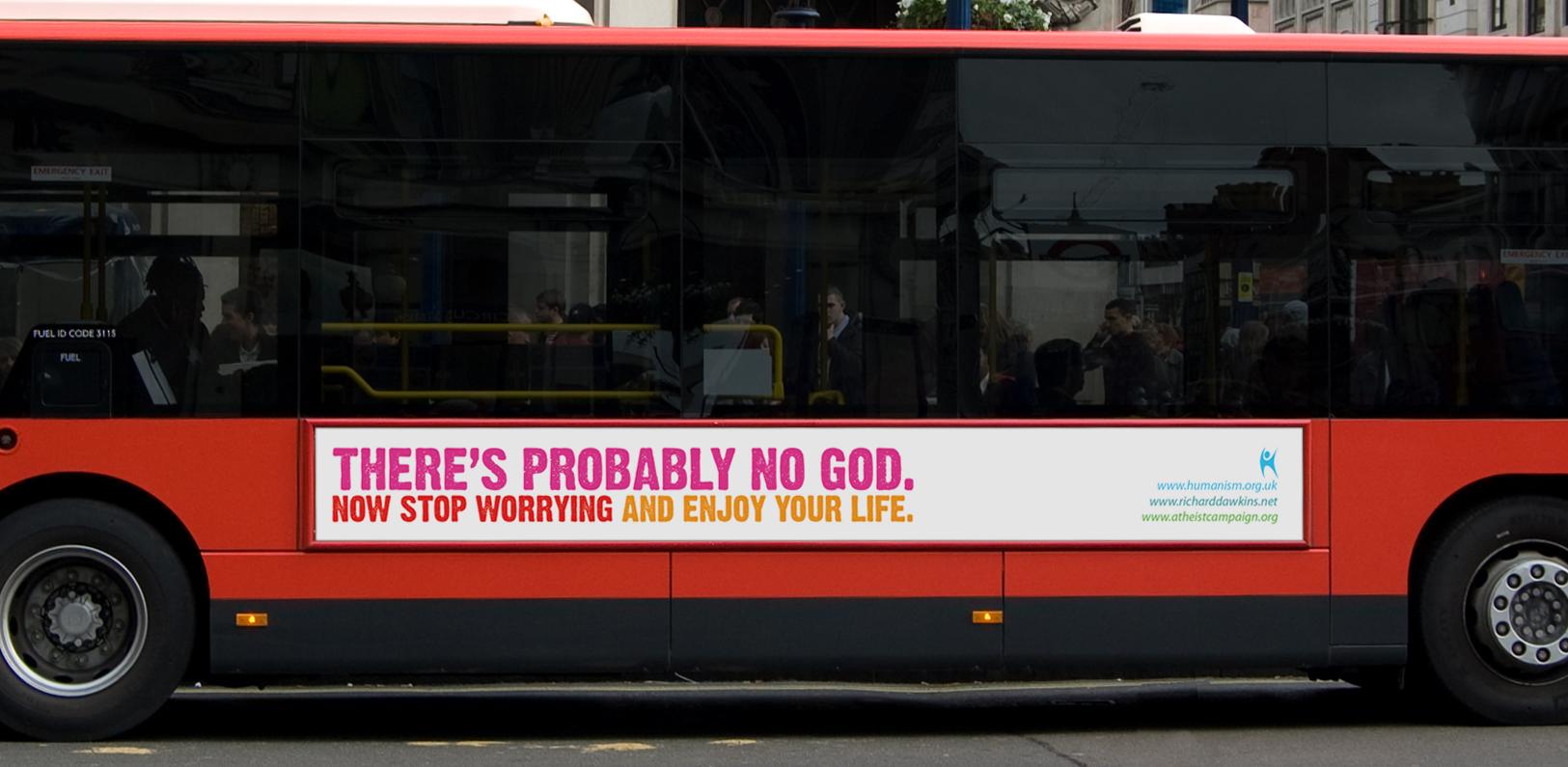
Posters exist on smaller roads in the form of bus shelter posters, these are fairly large and can be seen by both drivers and pedestrians. Posters exist on busses themselves, too; on the rear of the bus for the car behind to read, inside the bus for the passengers, and on the sides of the busses for passing vehicles and pedestrians. The trucks and lorries which carry the product themselves have adverts printed on all sides of them for the same reason.
Flyers and handouts are small posters or leaflets which are either handed out by people on streets or collected by interested consumers in public areas. They are effective because everyone who is handed a handout or picks up a flyer or is posted one has a copy of the advert on their person to read or give to a friend (providing there isn't a bin nearby).
Ads in TV, Radio and Film
In cinemas, adverts often appear before the movie. In the film itself, it is likely that some product placement is used, in James Bond; phones get large closeups, the main character wears an Omega watch, cars from big name manufacturers, in one instance Bond travels on a Virgin plane- the scene had to be cut when British Airways used it as the inflight movie.
On TV, adverts play a major part of our viewing; for non-license or some non-subscription channels, adverts play at the beginning and end of every show, often during the show itself, every 30-15 minutes. Adverts are worse in America, sometimes with four ad breaks in one half hour show. It is unlikely to find product placement in TV shows, usually shows try to avoid using brand names and products.
In radio, ads are played much the way that TV ads are played, every 15-30 minutes, producing a radio advert is considerably cheaper than producing a TV or cinema ad, there are no visuals so it makes it a little more difficult to sell the product, but the cost of making them means that they can be played more.
Ads Online
Adverts probably appear online more than anywhere else. They occur in the same way TV/cinema/radio ads do on sites like YouTube or Spotify, sometimes these apply to websites as well -in popups which open when entering a page or when a page is open but not in use. The most common form of advertising is the banner, which sits in with the rest of the page, like in a newspaper or magazine. The effectiveness of having an ad online is the use of links, when clicking on the advert it takes you directly to the site it is advertising- saving consumers' time, it also means that they won't forget it (because they won't need to remember).
The first entertainment broadcast was in the UK by 2MT in 1920. BBC began broadcasting in 1922 and was the only broadcaster in the UK until pirate radio began and grew more popular until the 60s when it became widespread, notably Radio Caroline: a station (like many) based on ships in international waters. To combat the problem of pirate radio, BBC produced on 4 more channels (employing pirate DJs) and the government passed the government enforced the Marine Broadcasting Offences Act of 1967. Pirate radio still continued inland, mainly in London. It was three decades before independent stations could apply for a license legalising their station. The most well known pirate radio stations were generally UK based.
What's on the Radio?
BBC radio has a relatively narrow audience range; Radio 1 plays new music and music in the charts, Radio 2 has a large amount of conversation infused with music, then classical music on the evenings, Radio 3 plays classical music all day round, Radio 4 is talking with occasional audio dramas, Radio 4 extra (or Radio 7) plays nothing but audio dramas and audio plays, 5 Live and 5 extra have pure conversational content. The problem with BBC is that there are no channels with just music or dedicated to playing any genre or age range. Absolute radio is a radio network (previously Virgin radio) which covers the spectrum, there is Absolute Radio, Absolute 60s, 70s, 80s, 90s etc. as well as Absolute Rock and other such channels which exist digitally. Other stations like Smooth, Capitol or Real radio all broadcast similar platforms.
How does Radio Influence?
Radio, similar to print, relies on faithful consumers. The content is usually regular in setup, such as the shows and hosts. It often mixes content which listener's know and like with similar content which they may also like. Playing similar music, for example, plays hugely in the influence of the audience; like playing the Beatles alongside the Stones, or if a person listens to the Comedy Hour on Radio 4 extra for I'm Sorry I'll Read That Again, they may also like the show's spin off: I'm Sorry I Haven't a Clue, or if they listen to Dad's Army -they may enjoy The Navy Lark etc.
The opinions expressed by the show hosts on particular topics or arguments can influence the audience, much the way that their sense of humour can effect someone else's.
Magazines rely on reader loyalty. Much in the way that there are different types of book designed to be tailored to the readers' lifestyle, these base themselves on specific topics like music and then deeper into genre like Rock or DJ. It is like this how readers can relate to the material, the magazines also introduce the audience to new artists or styles which they may otherwise have ignored or not have heard of - this is their strongest form of influence. Another is in the form of advertising, with companies paying specific magazines to advertise their products, car adverts often appear in music magazines because their TA is men. This form of advertising means that everyone can win, the advertiser gets their product known by the TA, the publishing company get's paid both by the advertiser and the reader and the reader get's to read about their favourite subject while also being advised on products thy may find interesting- particularly if the audience is aimed at a younger audience with more disposable income than older readers.
The Influence of Newspaper
Newspapers have a similar effect on readers to books and magazines but in a radically different way. The purpose of a newspaper is to provide readers with news (as obvious as it seems, this isn't always the case) -newspapers often include multiple adverts, puzzles and comics; local papers, or Gazettes, include eulogies too. National newspapers have a different influence on readers to local papers because they contain political opinions and persuasions, they are often bias towards particular arguments and in news cases, they can be lenient to one particular side of the truth. Papers, in a growing attempt to keep audiences with the introduction of interactive media (below), have began to appeal to 'magazine' audiences: for example, in the latter part of 2012, 9/10 times the Sun newspaper had at least one member of the band One Direction on it's cover.
The Influence of Books
Books can give a very different influence to a magazine or newspaper in that they can mould a lifestyle in the form of one long text and influence opinions on broader matters than the trivial ones of magazines or political views expressed in newspapers. Catcher in the Rye is a famous example of this, the book influenced the killings and attempted murders of Rebecca Scheaffer, Ronald Reagan and John Lennon with it's complex issues of identity, belonging, connection and alienation. One book, the Bible, is very influential- it has a religious following of 2.1 billion and is a leading cause of war. Frankenstein (Or the Modern Prometheus) caused some controversy over the issues brought up in the book like 'playing god' and how it makes the reader empathise with the monster (who many believe is supposed to represent the devil).
Many non-fiction books have a great influence on culture; Samuel Johnson's English Dictionary, for example, has provided a great resource for education and reference. Denis Diderot's first edition of the Encyclopaedia also, and The Origin of Species by Charles Darwin- another controversial piece which earned Darwin both scientific credit and public humiliation, the book and it's author have been so influential that Darwin's image and discovery are detailed on the British £10 note.
The Impending Death of Print
Print is slowly becoming less and less popular with the rise of interactive media, better known as the Internet. With a growing age of people with smartphones and tablets with them at all times, many news publishers release their publications online. For a long time, books have been available in the form of an E-reader or Kindle, this doesn't necessarily mean that people have gone off the idea of print - it's just more efficient; no paper is used, all books exist on one platform so no shelf space is needed, many tablets are designed to be non reflective- making them easier to read in light and many have an in-built light allowing for nighttime reading without lamps, and most importantly all this makes reading digital books cheap. The downside of course is the loss of sense of possession that you get with a book or magazine which are traditionally produced to be kept or collected (unlike disposable newspapers) - this can often be off-putting for the consumer. Many believe that interactive media should be used for the reading of news and updates on particular topics. Where in a magazine there would be interviews and features, online there would be up to the minute news in brief. Newspaper companies have moved to publishing their media in much the way that you would read a magazine or book digitally, some have taken this 'online is for up to the minute news' believe to the next level; the Sun have produced Sun+, where longer articles (found in the print edition) are mixed with more current updates and changing time based media like videos.
It is difficult to define the invention of film as there is no definition of where it starts, it may have started in early, basic animation. The oldest surviving film is called 'Roundhay Garden Scene' -it was recorded by Louis Le Prince (movie pioneer) in 1888, the movie lasts just 2.11 seconds with 12 frames per second. Le Prince is credited by many as the 'Father of Cinematography' due to his film inventions. Le Prince vanished in 1890 (a recently found photo suggests that he may have drowned)
The Early Years of Film
The Motion Picture developed into more advanced forms towards the 1910s (notably to using film instead of paper). Georges Méliés is widely known for creating some of the world's first colour film (painted by hand) and was the first to use special effects in his films. The way films were shot started to change, also- instead of having the camera in one fixed position, it would be moved closer to show people's expressions, to show a character's point of view or to allow characters to behave in a more realistic way. Film obviously broke off into different genres, some drama, but mainly comedy- the purpose of film was to entertain, and to make people laugh was much easier to achieve on silent film. Charlie Chaplin is well known for his early comedy credits as well as Buster Keaton, and later, the comedy double act of Stan Laurel and Oliver Hardey. Many people became known for being in particular geres of film, and it was in comedy that drama and romance could branch from. With these different types of film, different production companies were created to cash in, Pathé being the first major film company, followed by Hollywood companies which would eventually rule film.
Hollywood and Germany
Hollywood is a place in America, it is unlikely that anyone should not know of it. France and Italy had been the major players in film production until America produced Hollywood: the American film industry, now known as the major City in LA where all major American films are produced. It was now America who would make all the world's greatest movie productions. Germany began to rise also; with a growing power the film industry was greatly funded, movies were considered as canvases for artists, they now had contemporary shapes and visuals,- like in the expressionistic: The Cabinet of Dr. Caligari. Horror had a new meaning when Dracula adaptation: Nosferatu was made, and so did sci-fi with the arrival of Metropolis. Studios were no longer built with glass roofs and now had floodlights to allow longer working days and controllable lighting conditions. Cameras also developed into much more complex designs, capable of recording in much better quality. Microphones were introduced into cinema and audiences could watch movies with sound thanks to speakers which were used up to the 1970s when surround sound was introduced.
Popular Themes
Around the early 1900s adventure novels were very popular, the time wen film was pretty primitive. Romances and comedies became increasingly popular in the film industry as they were relatively cheap to produce. Towards the 1930s there was the introduction of fantasy and action adventure; 1925 saw the film adaptation of the Lost World, leading to the adaptation of King Kong in 1933 and Godzilla later. 1931- saw Boris Karloff in the role of Frankenstein's monster, sparking a craze of science fiction horror films- such as the B-movies created by Hammer Horror. 1939 had the Wizard of Oz- a musical filmed part in sepia and part in Technicolor. 1939 also saw the start of WWII, the funding for films from the government was obviously lowered but many production companieshad enough to keep producing movies, Chaplin and his company produced 'the Great Dictator' -the movie which saw his first non-silent role and urged America to war, was the most successful commercially. After the war, film became really popular- it was now in colour and had recorded sound. Hitchcock rose to fame around this time, he had spent much time in Germany before the war and learned their technique before returning to England and then to Hollywood; he was best known for his creative experimental films like Rear Window or Rope (among others) which were all based in one room, Rope also included homosexual characters, something looked on harshly by Americans at the time. The 50s and 60s saw his most memorable films, Psycho being the most popular- many of these movies were iconic because of particular scenes like the shower scene, the crop duster scene, or his many cameos- for instance in Frenzy (above)
Musicals became increasingly popular, the Sound of Music, Mary Poppins and the contemporary Hard Day's Night all became widely known. The James Bond films became successful in 1962 with Dr. No, the franchise is so successful that there have been over 23 Bond movies to date. Sci-fi overtook the Western famously in the 1960s (as depicted in 1992's Toy Story) -movies like the Good the Bad and the Ugly were all over cinemas and on TV. Lost in Space and the Forbiden Planet saw exciting futuristic settings whereas Planet of the Apes saw a bleak, post apocalyptic landscape. TV shows like Dr. Who and Star Trek made it onto the big screens due to their TV popularity.
The 70s had Stanley Kubric, after Dr. Strangelove in the 60s, and with Hitchcock's declining health -he was the man who created controversial films like Clockwork Orange and the Shining. Crime films became more popular too, the Godfather series and French Connection had Italian gangsters and American style cops. Sci-fi would make a return with Star Wars, which would become a major movie fanchise; Speilberg released Jaws and Close Encounters of the Third Kind and eventually created ET (highest grossing film of the 80s) and the Indianna Jones franchise with Lucasfilm. TV had Monty Python creating 4 best selling movies. From before the war right to the modern day, traditional musicals and Disney movies still remain popular, the 70s had Willy Wonka and the Chocolate Factory- which had Gene Wilder in the main role, a psychodelich musical adaptation of the book.
The 80s had very nostalgic movies like the Goonies and Ghostbusters, movie franchises from earlier periods kept going- Star Wars and James Bond were still popular. Ridley Scott (after the success of Alien) produced Blade Runner, another instant success and also the first major film with surround sound. Horror was often combined with comedy, much to the success of Child's Play, Gremlins and Beetlejuice. War films kept going since WWII, first with movies about that war and eventually with movies of Vietnam war related material, like Platoon and Taxi Driver. The late 80s had the Back to the Future series, which was very creative in it's attempt to show how much things change over time- with 4 time periods depicted in the film and one alternate time zone.
The 90s had a new age for sci-fi, the Matrix, Independance Day and Jurassic Park proving this with convincing animation and puppetry. Romances continued to be popular, as were the wacky comedies brought to fame in the 80s. Mob and Cop dramas were still very popular but very different in the 90s, Pulp Fiction and Goodfellas were increasingly successful. Forest Gump and the Green Mile (both starring Tom Hanks) were popular and effective tragedies of their time, following on from the Elephant Man in the 80s. The 90s had a major breakthrough for PIXAR, with their first major fully computer animated movie: Toy Story, more important than this- PIXAR could engage audiences of all ages in their movies, something not seen before.
With the introduction of the 2000s, sci-fi and wacky comedy was on their way out- even James Bond had a major re-styling in 2006 with less gadgets and gimmics. Lord of the Rings was a major breakthrough in the world of filmmaking, it had all three movies recorded at once in the space of about a year and included major computer animation advancemens in the way it was shot; once the franchise ended, it had accumilated numerous accolades and 11 Academy awards. The franchise was picked up in a three part prequel series: the Hobbit starting in 2012, it had more advances in cinematography than any other film yet by recording live action with 3D cameras (rather than digitally added 3D) in 48fps making it the most visually realistic movie ever. Franchises were reinvented in the 00s -Star Treck, Pirates of the Carribean (based on a ride at Disneyworld), the Harry Potter series, Batman, Twilight, Iron Man, the list goes on. Movies became much more faster paced too, to add drama. Horrors would have limited camera movement and cuts to create a sombre and unnerving atmosphere, seen in low budget movies like Paranormal Activity which was made to look like it had been filmed with security cameras. It is unlikely that any movie now is produced without special effects, some more than others- it is expected of movies to be worth their price as B movies and short films are rarely seen in cinemas now; some companies still produce these, Disney's PIXAR famously shows short films before all of their films.
Many people credit John Logie Baird as the inventor of the Television, it was actually the combined effort of a number of inventors around the world. In America- Philo Farnsworth is known as the inventor of the television. In Germany, Arthur Korn is known for the same reason.
Baird is credited as the first to produce a live, moving televised image using reflected light. Korn produced circuits which directly aided Baird in his invention. Baird went on to pioneer many succesful advances in television and on 02/10/1925 he transmitted the first televised image, Stooky Bill -one of the ventriloquist dummies used in tests.
Farnsworth worked out the principle of the image dissector in 1921, this helped pioneer the Video Camera Tube (which converts optical images into electrical signals), a device used in all video cameras up to the 1980s.
A colour example of the Stooky Bill tests.
Broadcasting
Baird transmitted many tests between 1925 to his death in 1946. The first televised broadcasts, produced for the BBC had input from Farnsworth and his inventions. Baird eventually switched to using the electronic television which Farnsworth invented years earlier.Farnsworth himself came to London to help Baird as the image dissector he invented was lacking in light sensitivity, this slowed down the development of TV especially as Crystal Palace (where they had been working) famously burned down. The television was improved significantly until 1967 when (PAL) colour TV was in use (another of Baird's inventions though he died 21 years earlier).
The outbreak of WWII in 1939 caused all TV transmittions to be halted after anouncing the listings for that afternoon, transmittion resumed in 1946 exactly where it cut off in the middle of a cartoon.
Television went through many formats since the 60s in exterior design but also technically, digital TV is now used in the UK and TV can be watched in Standard, HD or 3D all in full colour, with settings to adjust the picture.
What's on TV?
BBC & ITV
BBC was founded by John Reith in 1922. The first experimental television broadcasts began in 1932, TV really gained popularity after the war with the introduction of ITV (which mainly broadcasted for older viewers, with shows about dancing and later, the company's greatest achievment, the introduction of soap opera -Corrination St. which still runs to this day). BBC were churning out great movies and TV shows to compete; Z cars -a show about the police force, was a similar show. The Quatermass Experiment was a movie style serial produced by BBC and broadcast as a series of episodes, it was so successful that three sequels were produced and Hammer Horror bought the rights to produce a cinema movie release.
The longest running science fiction drama was produced by the BBC in 1963, Doctor Who- the show was so successful that it ran for 26 years with 7 actors in the lead role, rights to the show were fought over by big movie industries in the 1990s with Fox network winning over Disney, a movie was produced with stars- Paul McGann and Eric Roberts, the movie contunued with lead actor, Sylvester McCoy returning from the original broadcast to hand over the role. BBC bought back the rights to the show in the early 2000s and revived it in 2005, Doctor Who has since been BBC's most successful show worldwide.
The 60s, 70s and 80s are considered by many to be the golden age of British comedy, with acts like Eric & Ernie or Monty Python (who would both be stars of the silver screen). BBC combated ITV's Coronation street in the 1980s with Eastenders, a show about life on Albert square in the east end of London, another BBC success. BBC are the most trusted network for news, it has been broadcasting the news since it's early days in radio and has gained a mostly good reputation.
4 & 5
The 1980s saw the introduction of channel 4, which was aimed at the 16-30 year old audience primarily. Where the channel was most popular though, is in Countdown- a show still running today, where contestants have 30 seconds to play an elaborate version of Scrabble. Channel 4 became majorly popular in the 90s-00s with low cost standup comedy shows and TV programmes recorded on handheld cameras. Big Brother was launched in 2000 with MTV's Davina McCall, based on the book: '1984' by George Orwell, contestants stay in a house under constant surveillance and have to avoid being evicted. The 3 most popular comedy shows on 4 were all produced by Graham Linehan, Father Ted, Black Books and the IT Crowd were all major successes and were al based in a studio setting with a laughing track, proving that fresh comedy could still be produced using an old setup; channel 4 invariably allowed for experimental comedy, which would almost always prove successful, Vic and Bob used their surrealism on 4 and now have a BBC series.
Channel 5 launched in the 90s and broadcast soap opera; Family Affairs to rival BBC, ITV and 4. Channel 5 had a major rebrand to '5' and currently mainly broadcasts American TV shows and movies. The network bought Big Brother from 4 in 2010 after a decline in viewership which increased channel 5's audience and brought popularity to already existing shows like the Gadget Show, which has grown beyond it's previous studio based setting to live venues and even other countries.
The IT Crowd, one of Linehan's comedies
Expanded TV
Beyond the five analog channels, BBC launched BBC+ (later becoming BBC3) - aimed at 16-30 year olds, it served as a channel to broadcast experimental television shows (which would later serve on BBC1 or 2) and repeats. BBC 4 also showed repeats, but for an older audience, the channel focused mainly on the arts. Other companies began to rival BBC, ITV launched ITV2, 3 and 4 - serving a similar purpose to BBC3 and 4, Channel 4 now have; Film 4, E4, 47, More 4 etc. These channels allowed audiences to watch whatever they wanted, whenever they wanted.
Digital TV also allowed for other networks to grow; the UKTV network often shows repeats and low budget content while Sky is larger than BBC in terms of productivity, the network often churns out hours of original content on it's many channels, while also broadcasting repeats of American shows less than 24h after they have been shown in America. This more instant pace of keeping up with foreign broadcasts was to treat everyone happy, with the increased use of social networking sites, spoilers and plot details were being leaked onto the internet months before their UK broadcast before; so shows are now televised often within the same day, 23/11/13 will see the simulcast of the Doctor Who 50th anniversary, so as not to allow British audiences to leak it to America or the same vise versa.
The internet in recent years has seen 'watch again' systems which allow users to see their favourite programmes on demand, video rental services moved onto the internet, letting people order media on the computer and have it delivered to their home. This system was replaced with the download, rental download is still in use by Apple and YouTube. People can now watch repeats on subscription rental services like Netflix or LoveFilm Instant; Netflix now commissions and funds it's own shows and is fitted as a service on many TVs and computer systems.
America
In the UK alone repeats of american television gets a large viewership, Channel 5 is known for showing crime dramas, Channel 4 broadcast American comedies and BBC 3 is popular for it's repeats of Family Guy. BBC often collaborate with American producers to cut down costs and to broaden scale as well as audience. In return, British television shows are often broadcast in America- Doctor Who and Downton Abbey are both more popular in the states than in their home country.
In the sci-fi craze of the 60s, America produced Star Trek, a show about travellers in earth's future who boldly go where no man has gone before, the show has a larger cult following than Britain's Doctor Who but was less successful as a TV show as series were invariably axed or cancelled. The show once split into two series, the original series which went into motion picture and the 'Next Generation' series run by show runner, Gene Roddenberry (though the two series merged later on). In the early 00s, Star Trek ceased as a TV show, it is now most popular in the movie prequels directed by J. J. Abrams.
From the late 70s onwards, were the relatively cheaply made American sitcoms, usually in a studio setting and recorded in front of a live audience, these were very popular in the 80s.
The 90s saw Friends, another studio based show but with slightly more flexibility in terms of location and camera movement, which made the show more believable and was a success up to it's final episode, since it's first broadcast, the entire series of Friends is shown on repeat (in the UK, channel 4 only recently stopped to make room for more up to date American comedies). The typical 80s sitcom setup is most popular in children's TV in recent years, yet still effective; each different sitcom would follow a basic recycled storyline with recycled jokes and still people watch.